


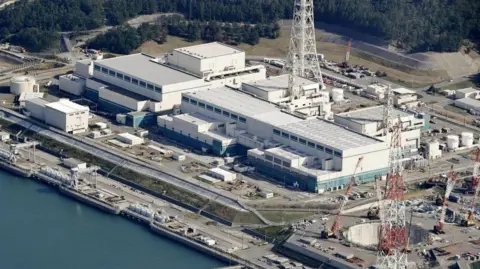
Officials are moving toward giving the go-ahead for the reactivation of the globe's most sizable nuclear power plant—the first time it would be running since the 2011 Fukushima disaster.
Hideyo Hanazumi, governor of the Niigata region where the Kashiwazaki-Kariwa power plant is located, said he has authorized for the limited resumption.
The initiative to restart activities at the plant, operated by the Tokyo Electric Power Company, still needs authorization from the regional legislative body and the nation's atomic regulatory agency before it can move forward.
If approved, it would be the first time Tokyo Electric Power would be authorized to recommence reactor functioning in Japan since its Fukushima plant went into meltdown in the wake of a tsunami.
Regional Inhabitants Divided on Resumption
Local inhabitants in Niigata are divided over whether the plant should be restarted or not.
The governor stated at a press briefing on the end of the week that his decision would be discussed in the final month of the year at a prefectural government assembly, where he would seek the assembly's approval.
The consent would be for the restart of functioning at the Kashiwazaki-Kariwa plant's sixth reactor, then the Reactor 7.
Background and Business Reconstruction Strategy
The restart of activities at the facility is part of Tepco's corporate recovery strategy following the Fukushima catastrophe, which was caused by a massive 9.0 quake and massive tsunami.
When the plant's reactors were inundated by the tidal wave, it caused radiation to leak out and required numerous residents to be evacuated from the region.
Japan ordered all its atomic energy facility units to be closed in that year after the disaster. Since then, a number of reactors have been reactivated.
Tepco was ordered to pay huge amounts in damages to those affected and is also paying for the station's closure expenditures.
Local Sentiment and Worries
A study published by the local government last month indicated that half of its locals backed the plant's restart, while 47% were in disagreement. It also revealed that almost 70% of people in the prefecture were concerned about the company operating the plant.
Energy Goals and Ahead
The governor's approval illustrates a interest among certain groups in the country to move towards greater utilization of atomic power to lessen use of traditional energy sources, as the nation aims for a target of carbon neutrality.


